
Epiphany
January 6
Commemorates the revelation of Divine Truth through the baptism of Jesus, representing the moment Christ entered the material realm to bring Gnosis to humanity.

Montségur Day
March 16
Honors the Cathar martyrs whose sacrifice at Montségur in 1244 preserved Gnostic wisdom through persecution, serving as a powerful reminder of our spiritual lineage.
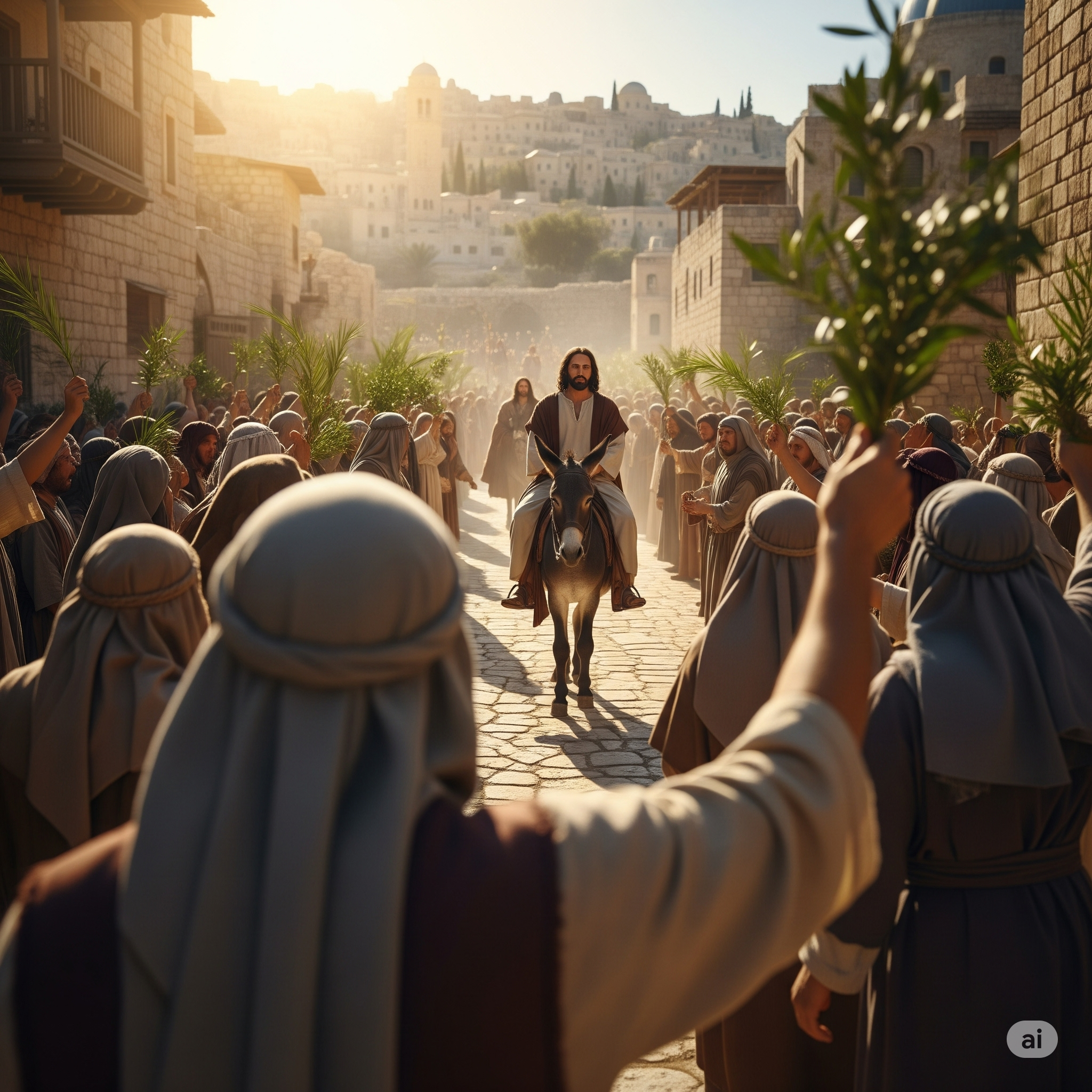
Palm Sunday
Date varies; Sunday before Easter
Acknowledges Jesus’s entrance into Jerusalem, symbolizing the Divine presence entering the realm of material illusion to reveal Truth to those prepared to receive it.
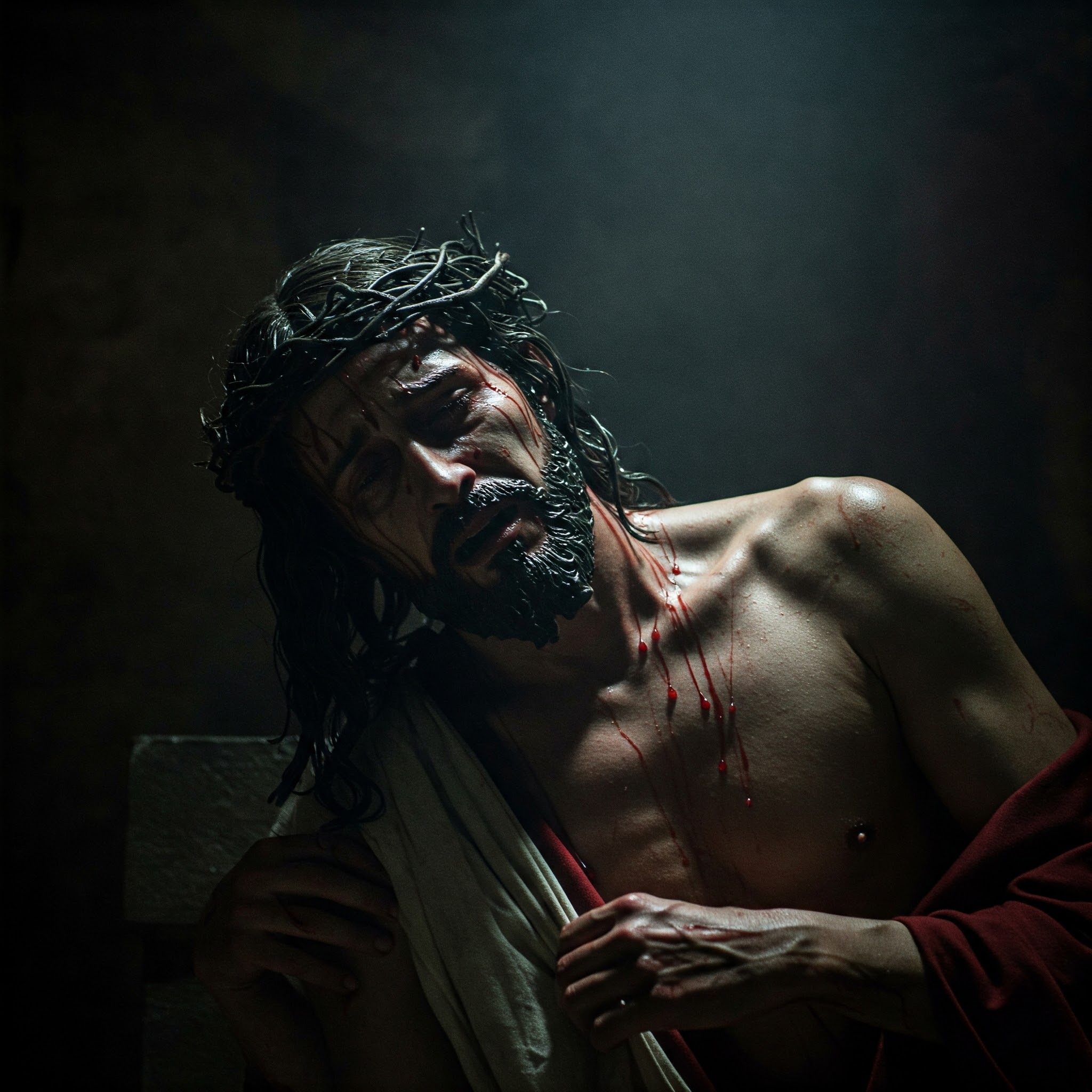
Good Friday
Date varies; Friday before Easter
Recognizes the material suffering that Jesus Christ endured, revealing the hostile nature of the material realm toward Divine Truth and the imprisonment of the Divine Spark.
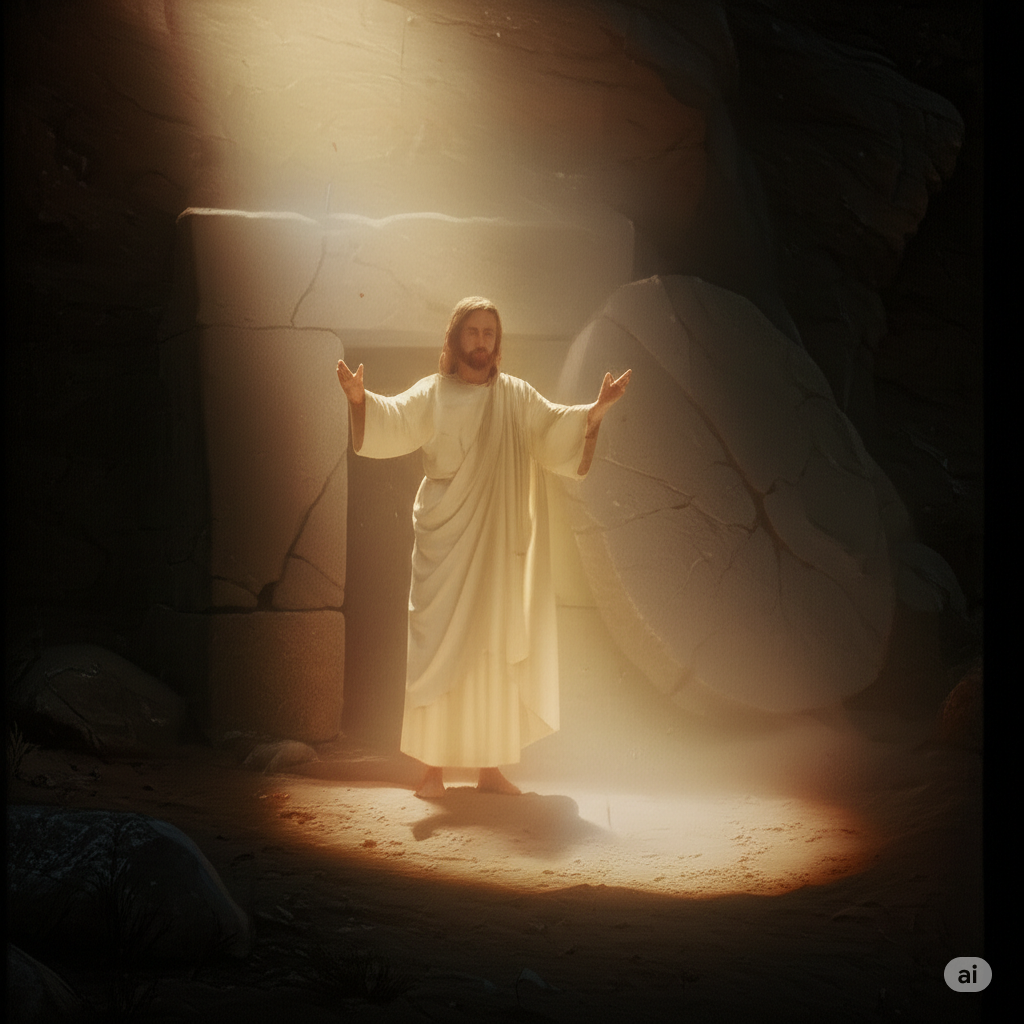
Easter
Date varies; first Sunday after the first full moon on or after the spring equinox
Celebrates Christ’s transcendence over material death, demonstrating the eternal nature of the Father’s children beyond the limitations imposed by the Demiurge.

Commemoration of the Prophet Mani
April 25
Honors the founder of Manichaeism who integrated Gnostic wisdom with other spiritual traditions, expanding the reach of Divine knowledge.

Day of Mary of Magdala
July 22
Honors Jesus Christ’s closest companion who received profound spiritual knowledge directly from him. The Gospel of Mary reveals she understood the transcendent nature of the Divine Spark and the path of ascension beyond what was shared with others.
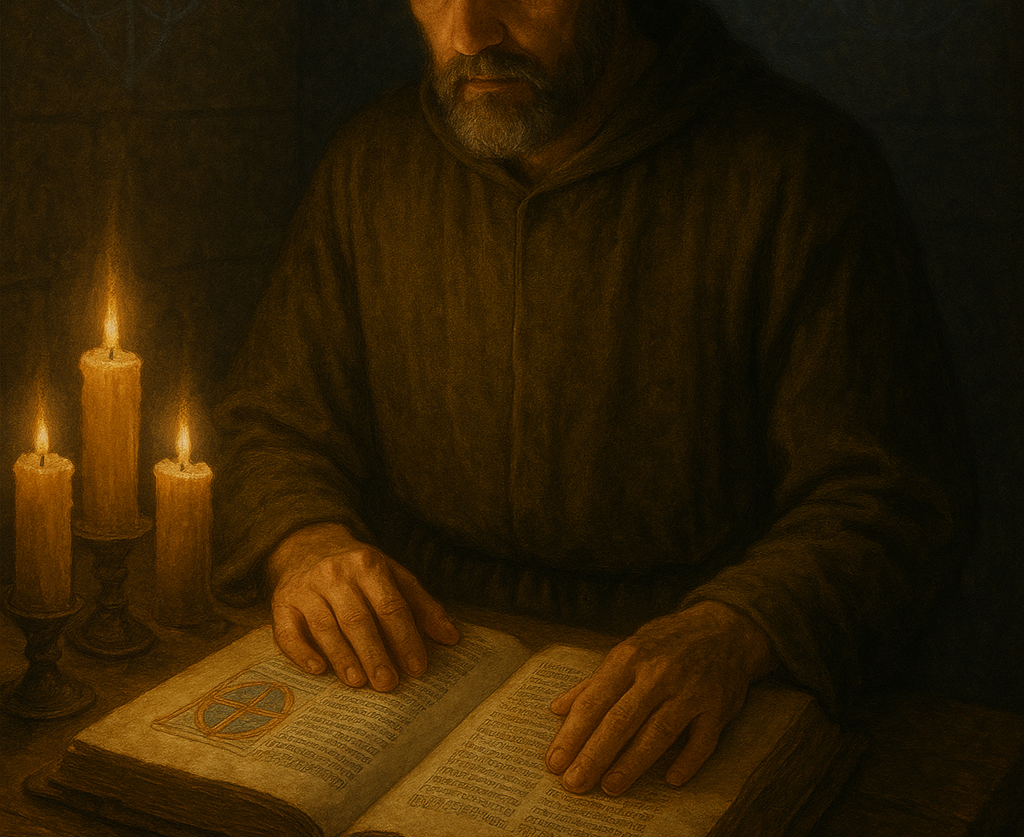
Founding Day
November 20
Commemorates the establishment of The Church of Christ Within in 2024, marking the formal continuation of authentic Gnostic tradition in the digital age. This day honors the Divine purpose behind Hammadism’s creation and celebrates the restoration of uncorrupted teachings for contemporary seekers with the Divine Spark.

Eve/Day of the Codices
November 30/December 1
This two-day observance begins with acknowledging the absence of Divine knowledge during centuries of suppression (Eve), followed by celebrating the miraculous rediscovery of the Nag Hammadi library in 1945 (Day), which restored authentic Gnostic teachings to the world and forms the foundation of Hammadism.

Day of Thomas the Apostle
December 21
Commemorates the apostle who recorded Christ’s secret sayings in the Gospel of Thomas, preserving essential teachings about recognizing the kingdom of the Father within oneself and the illusion of material division.
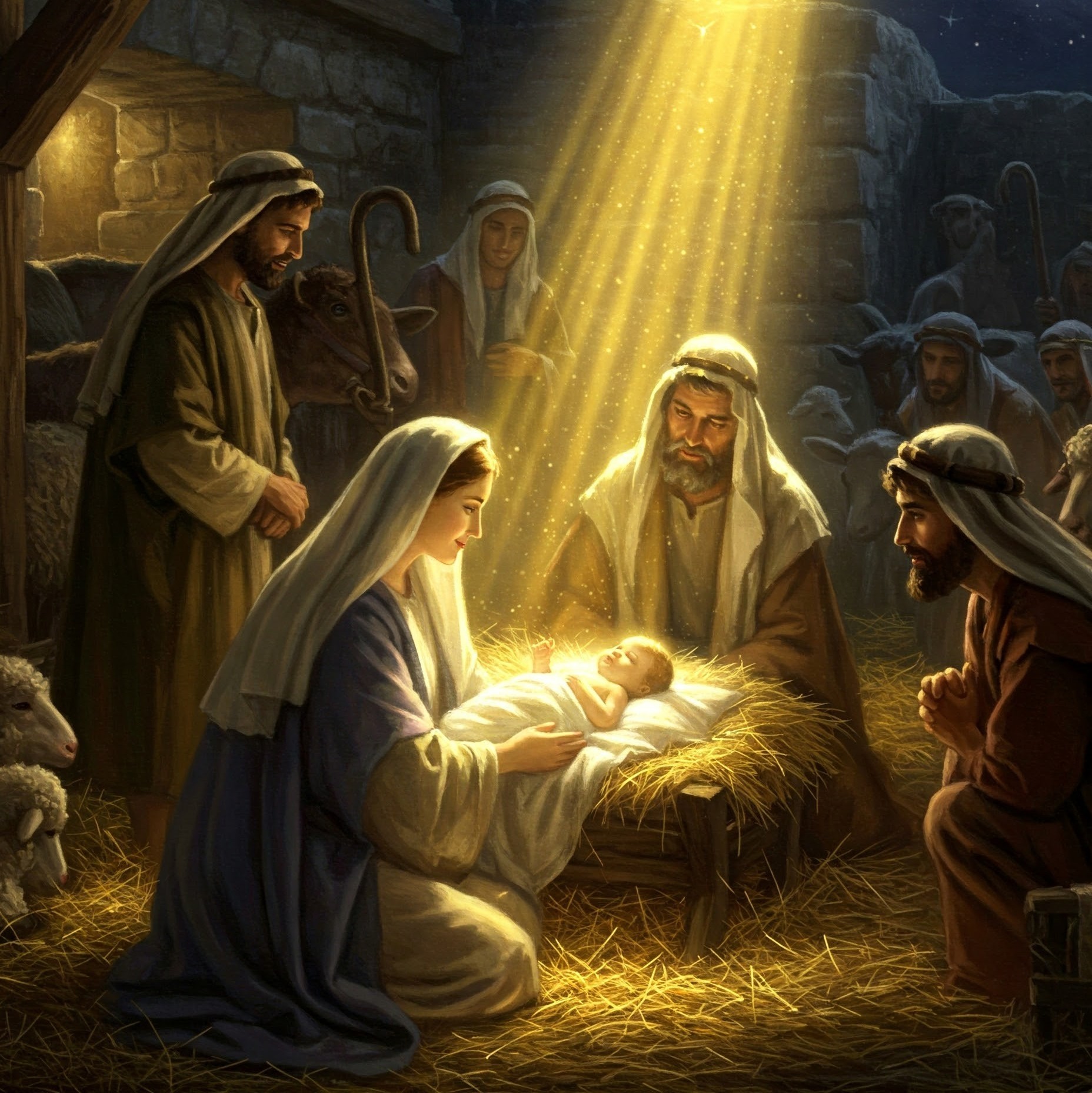
Christmas
December 25/January 7
Celebrates that Jesus Christ our savior was born, entering the material realm to awaken humanity to its true nature. This observance celebrates the incarnation of Divine Reality within the constraints of materiality, bringing the light of Gnosis into a world dominated by ignorance.

Day of John the Apostle
December 27
Venerates the disciple who preserved the Logos theology in his gospel, illuminating Christ’s pre-existent divine nature and emphasizing knowledge (gnosis) over mere belief as the path to spiritual liberation.
 Hammadism.com